
Image
Reduce inequalities within and among countries.
Universiti Malaysia Kelantan (UMK) is deeply committed to advancing the United Nations’ 17 Sustainable Development Goals (SDGs) through education, research, innovation, and community engagement. As an entrepreneurial university, UMK embraces sustainability as a guiding principle that shapes its teaching, learning, and operational culture. The university strives to create meaningful social, environmental, and economic impact by nurturing responsible leaders, promoting inclusive growth, and developing solutions that benefit both people and the planet.

UMK advocates for equality, inclusion, and diversity. The university provides access to education and opportunities regardless of background, ensuring no one is left behind. By empowering underserved communities, UMK helps create a more balanced and just society.

NON-DISCRIMINATORY ADMISSIONS POLICY WITH TRANSPARENT POSITIVE DISCRIMINATION GUIDELINES


The university has a non-discriminatory admissions policy that ensures fair and equal opportunities for all applicants, regardless of gender, ethnicity, religion, socioeconomic background, or disability status. The admission guidelines clearly outline the eligibility requirements for student intake and staff recruitment, and these policies are publicly accessible through the university’s official website and admission portals.
Additionally, the university adopts merit-based criteria and, where appropriate, positive discrimination measures to support underrepresented and disadvantaged groups, in line with national education policies and institutional commitment towards inclusivity and equal access to education.
Image
Image

TRACKING APPLICATIONS AND ADMISSIONS OF UNDERREPRESENTED GROUPS
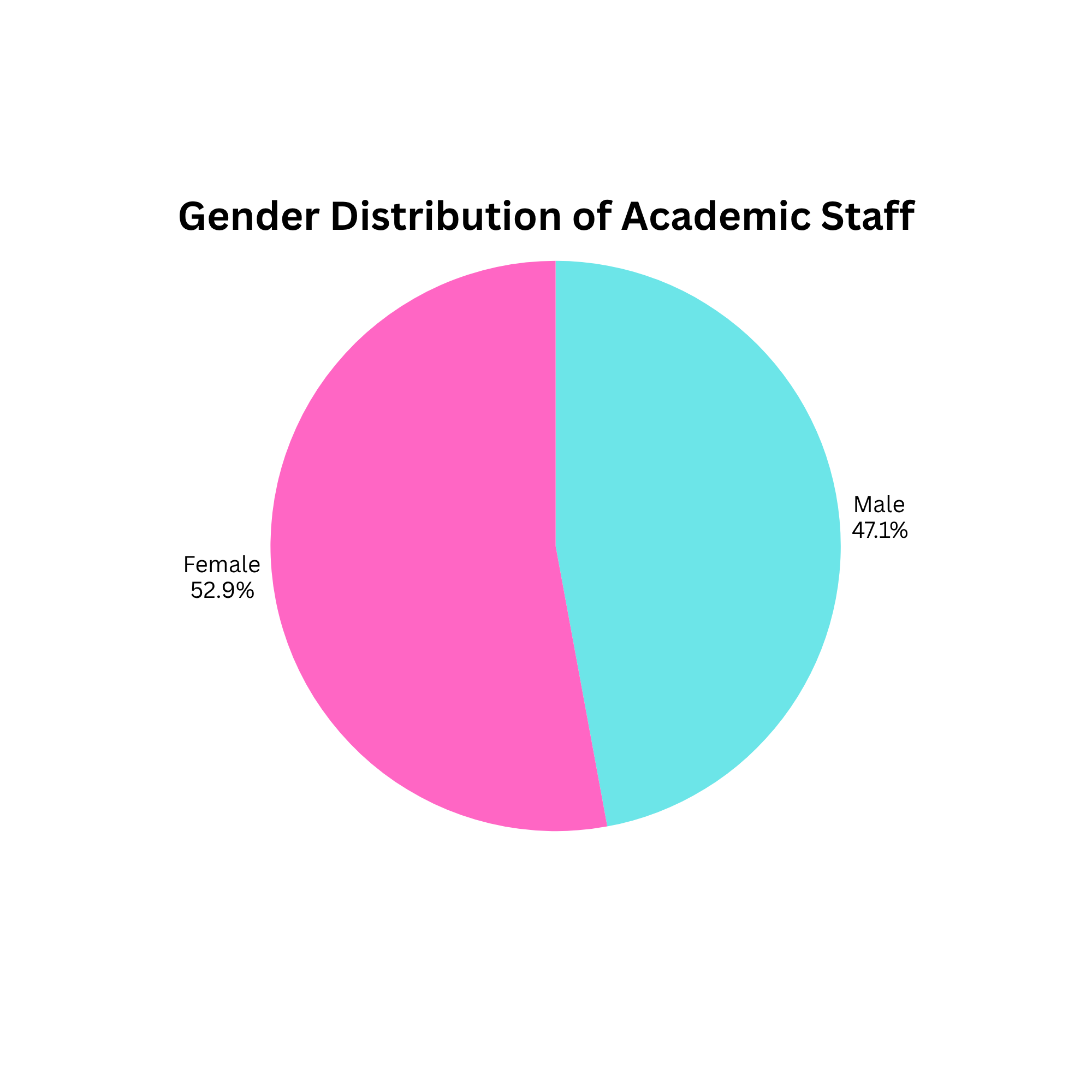
The university systematically measures and tracks applications and admissions of underrepresented and potentially underrepresented groups to ensure inclusive access to higher education. This includes monitoring enrolment among ethnic minorities, low-income students, non-traditional learners, women, and students with disabilities.
UMK also tracks the composition of its academic workforce to support gender equity and diversity. For example, the university records the number of male and female academic staff as part of its commitment to balanced representation and equal opportunities in recruitment, retention, and career growth.
This monitoring supports informed policy development, targeted outreach initiatives, and continuous improvement toward fostering an inclusive and equitable academic community
Image

PLANNED RECRUITMENT ACTIONS FOR UNDERREPRESENTED GROUPS

The university takes planned and proactive actions to recruit students from under-represented groups in order to promote diversity, equity, and inclusive access to higher education. These efforts include targeted outreach initiatives to schools in rural and low-income areas, engagement with community organisations, and awareness campaigns to encourage applications from ethnic minorities, low-income students (B40), non-traditional learners, women, and students with disabilities.
In addition, the university provides scholarships, financial assistance, and dedicated support services to help ensure that students from disadvantaged and under-represented backgrounds have equal opportunities to gain admission and succeed throughout their academic journey. These initiatives reflect the university’s strong commitment to widening participation and fostering an inclusive student community.

Inclusive Admission and Support Initiatives for Under-Represented New Students

The university implements planned initiatives to recruit and support students from under-represented and economically disadvantaged groups. UMK actively reaches out to prospective students, particularly those from B40 and Asnaf backgrounds, and provides tailored assistance to encourage their enrolment and academic success.

One of the key initiatives is Program UMK Cakna Bersama Mahasiswa/Siswi Baharu, organised by BKTP, which focuses on welcoming and supporting new students from Asnaf and B40 families. Through this programme, selected students receive essential assistance including basic daily necessities, starter study kits, tuition fee support for one semester, special financial aid, and other forms of support.

This initiative, attended and supported by the Vice-Chancellor, Deputy Vice-Chancellor (HEPA), faculty deans and student representatives, demonstrates UMK’s strong commitment to reducing financial barriers, uplifting students from disadvantaged backgrounds, and fostering a supportive and inclusive academic environment. BKTP and faculties also continue to provide ongoing support to ensure these students' welfare and academic needs are prioritised throughout their studies.

ANTI-DISCRIMINATION POLICY

Universiti Malaysia Kelantan (UMK) has a clear anti-discrimination policy to ensure an inclusive, fair, and equitable environment for all students, staff, and faculty. Guided by the Guidelines for Sustainable Development Goals (SDG), particularly SDG 10: Reduce Inequalities, UMK commits to ensuring that everyone has a fair chance regardless of age, gender, disability, race, ethnicity, religion, financial status, or other factors.
This commitment involves eliminating unfair rules, laws, and practices while implementing new, fair policies to foster equality. Additionally, UMK adheres to the anti-discrimination policies issued by the Jabatan Tenaga Kerja Semenanjung Malaysia (Department of Labour Peninsular Malaysia), specifically regarding Discrimination in Employment, further reinforcing its stance against any form of discrimination within the university community.
Image
Image

DIVERSITY AND EQUALITY COMMITTEE OR OFFICE FOR POLICY IMPLEMENTATION

Universiti Malaysia Kelantan (UMK) has dedicated structures and personnel to promote diversity, equity, inclusion, and human rights on campus. The university’s Strategic Centre (Pusat Strategik) plays a key role in developing the university’s strategic plans in alignment with the Pelan Pembangunan Pendidikan Malaysia (Pendidikan Tinggi), ensuring that policies and programmes reflect principles of equity and inclusivity.
In addition, the Hal Ehwal Pelajar (HEPA) and the Majlis Perwakilan Pelajar (Student Representative Council) are actively involved in implementing and advising on initiatives that foster a diverse and inclusive campus environment. These bodies collaborate with the administration to provide training, programmes, and support services that uphold human rights and equality for all students and staff.
Image

MENTORING AND SUPPORT PROGRAMMES FOR UNDERREPRESENTED GROUPS

Universiti Malaysia Kelantan (UMK) provides mentoring, counselling, and peer support programmes to assist students, staff, and faculty from underrepresented groups. Through its Institute for Poverty Research and Management (InsPeK), UMK organises a series of initiatives that address socio-economic challenges faced by vulnerable communities, including single mothers, the homeless, indigenous groups, and persons with disabilities (OKU).
Examples of these initiatives include:
  • InsPeK Insight Series 9 – Poverty Among Single Mothers: Rahsia Derana Srikandi
  • InsPeK Insight Series 5 – Poverty Among Indigenous Communities: “Keringat Mengot”
  • InsPeK Insight Series 4 – Poverty Among Persons with Disabilities (OKU): “Istimewa Yang Tiada Batas”
  • InsPeK Insight Series 7 – Poverty Among the Homeless: Behind the Footsteps Without an Address
Image

Presentation and discussion of community development programmes in Batu Sapi, Sandakan, Sabah, with the Deputy Minister of Tourism, Arts, and Culture, aimed at enhancing the socio-economic wellbeing of local communities.

These programmes provide mentoring, guidance, and peer support, while fostering collaboration between UMK, InsPeK, and external partners to improve social inclusion and equitable access to education and community development.

Image

ACCESSIBLE FACILITIES FOR PEOPLE WITH DISABILITIES

Universiti Malaysia Kelantan (UMK) provides comprehensive accessible facilities to support students, staff, and visitors with disabilities. The university is committed to creating an inclusive and barrier-free campus by ensuring the availability of wheelchair-friendly pathways, dedicated parking lots, and accessible toilets across its main buildings and facilities. These facilities are provided in key areas including academic blocks, administration buildings, student service centres, mosques, residential colleges, childcare centres, cafeterias, and public spaces. Among the buildings equipped with disability-friendly amenities are the Chancellery Building, Office and Security Post, Tuanku Chancellor’s Hall and Academic Complex, Library, Infrastructure Development and Management Centre, Tamu Waris, Academic and Learning Building (BAP), Faculty of Creative Technology and Heritage (FTKW), Teniat, Pavilion Building, Islamic Centre and Mosque, Student Centre, Faculty of Language Studies and Human Development, IBS Hostel, Nursery, Cafeteria, Veterinary Clinic, Guest House, PALAPES Headquarters, Public Toilets, and Bursary Store facilities. These provisions reflect UMK’s strong commitment to ensuring equal access, mobility, comfort, and safety for persons with disabilities (OKU), allowing them to fully participate in academic, social, and community life on campus
Image

SUPPORT SERVICES FOR PEOPLE WITH DISABILITIES

Universiti Malaysia Kelantan (UMK) provides dedicated support services for people with disabilities, including students and staff. For students, support is managed under the Student Welfare and Discipline Department (Bahagian Kebajikan dan Disiplin Pelajar) within the Office of Student Affairs (HEPA). This department oversees a wide range of welfare services such as financial assistance, short-term loans, living allowance and fee support for students with disabilities (OKU), student insurance claims, food bank assistance, and sponsorship or scholarship management. In addition, UMK facilitates hospital treatment guarantee letters, claims for medical charges, and special financial assistance for students undergoing industrial training. These services ensure that students with disabilities receive equal support and are able to participate fully in university life.
For staff, support services are coordinated by the Registrar’s Office (Pejabat Pendaftar), which manages human resource affairs, staff welfare, and administrative support. The Registrar’s Office plays a key role in ensuring an inclusive working environment by addressing staff welfare needs, facilitating access to facilities and support services, and upholding policies that promote equal opportunities for employees with disabilities.
Through these dedicated units, UMK demonstrates its strong commitment to providing comprehensive support systems and inclusive services for both students and staff with disabilities, ensuring they have equal access, opportunities, and resources throughout their academic and professional journey at the university.
Image
Image

ACCESS SCHEMES FOR PEOPLE WITH DISABILITIES: INCLUSIVE SUPPORT ECOSYSTEM AND LONG-TERM COMMITMENT

UMK supports the PwD community by developing facilities such as the industrial complex at the OKU Rehabilitation Centre in Kg. Aur Telong and implementing capacity-building programmes in collaboration with over 50 strategic partners. For the past 10 years, InsPeK has delivered training, research programmes, financial support and livelihood opportunities for vulnerable groups including PwD, reflecting UMK’s strong commitment to inclusive access, socio-economic empowerment, and sustainable community development.

Image

A Decade of Inclusive Support: UMK Access Schemes for Persons with Disabilities

Universiti Malaysia Kelantan (UMK) provides structured access schemes and support initiatives for people with disabilities (PwD) through the Institute for Poverty Research and Management (InsPeK). For the past 10 years, InsPeK has been committed to uplifting vulnerable and marginalised communities, including PwD, by implementing inclusive capacity-building programmes, socio-economic development projects, and data-driven poverty interventions. Supported by over 50 strategic partners from government agencies, corporate bodies, NGOs, and local communities, these initiatives ensure equal access to opportunities for PwD to enhance their skills, improve livelihoods, and achieve economic independence. Since 2017, UMK has secured over RM13.47 million in funding across 81 projects, enabling PwD to benefit from training, empowerment programmes, and access pathways to long-term socio-economic improvement. This commitment reflects UMK’s dedication to providing equitable access and fostering an inclusive environment for PwD to thrive alongside the wider community.

Image

REASONABLE ACCOMMODATION POLICY AND STRATEGY FOR PERSONS WITH DISABILITIES

Universiti Malaysia Kelantan (UMK) has implemented a reasonable accommodation strategy for persons with disabilities, supported by an adequately funded mechanism. In collaboration with Maybank Islamic Berhad, UMK ensures sustainable support and infrastructure development for the OKU (persons with disabilities) community. Maybank Islamic allocated RM600,000 to construct five disability-friendly homes at the Pusat Pemulihan Orang Kurang Upaya Kampung Aur (PROKA), Bachok, equipped with accessible infrastructure such as proper drainage, water supply, sewerage systems, and telecommunication facilities. This initiative complements a previous RM500,000 poultry entrepreneurship programme for OKU communities, bringing the total investment to over RM1 million in partnership with UMK through the Institute for Poverty Research and Management (InsPeK). These projects demonstrate UMK’s commitment to providing safe living facilities, improving accessibility, and strengthening economic empowerment for individuals with disabilities, particularly through skill development, entrepreneurship support, and inclusive community programmes. This comprehensive effort reflects UMK’s ongoing strategy to enhance quality of life and create equitable opportunities for persons with disabilities through collaboration, innovation, and sustained funding.

Image

ANTI-HARASSMENT POLICY

Image