

UMK recognizes that sustainable development requires collective action. The university actively collaborates with local, national, and international partners to advance shared goals. Through research, innovation, and community engagement, UMK strengthens global partnerships for a better, more sustainable future.
INVOLVEMENT IN SDG POLICY DEVELOPMENT WITH GOVERNMENT AND REGIONAL ORGANISATIONS
a) UMK’s InsPeK: A Decade of Contribution to National SDG Policy and Poverty Eradication Efforts
Universiti Malaysia Kelantan (UMK), through the Institute for Poverty Research and Management (InsPeK), plays a direct role in national and regional SDG policy development related to poverty reduction. InsPeK actively collaborates with government agencies, NGOs, and various stakeholders to identify poverty issues, develop intervention strategies, and monitor policy implementation based on data-driven research. Through partnerships with more than 50 stakeholders, InsPeK has contributed to shaping policies and effective models to reduce social and economic disparities among vulnerable groups, including low-income and disabled communities in Bachok. These efforts align with Sustainable Development Goals (SDG) 1: No Poverty, SDG 8: Decent Work and Economic Growth, and SDG 10: Reduced Inequalities, focusing on community empowerment and capacity building for sustainable national wellbeing. InsPeK’s 10-year commitment demonstrates UMK’s strong involvement in policy formulation and strategic collaboration to eradicate poverty and promote inclusive development.


Advancing SDG 17 through Publications and Policy Support
The University actively contributes to SDG 17: Partnerships for the Goals through research, publications, and collaborative initiatives that support evidence-based policy development at both national and regional levels. Our academic outputs frequently identify societal challenges, propose strategies, and model potential outcomes, providing actionable insights for policymakers and non-governmental organizations. Publications addressing sustainable development, community resilience, economic growth, and environmental management have informed government programs and regional development projects. Through this engagement, the University not only supports monitoring and reporting on interventions but also facilitates adaptive management, strengthening partnerships between academia, government, and civil society in advancing the SDGs.
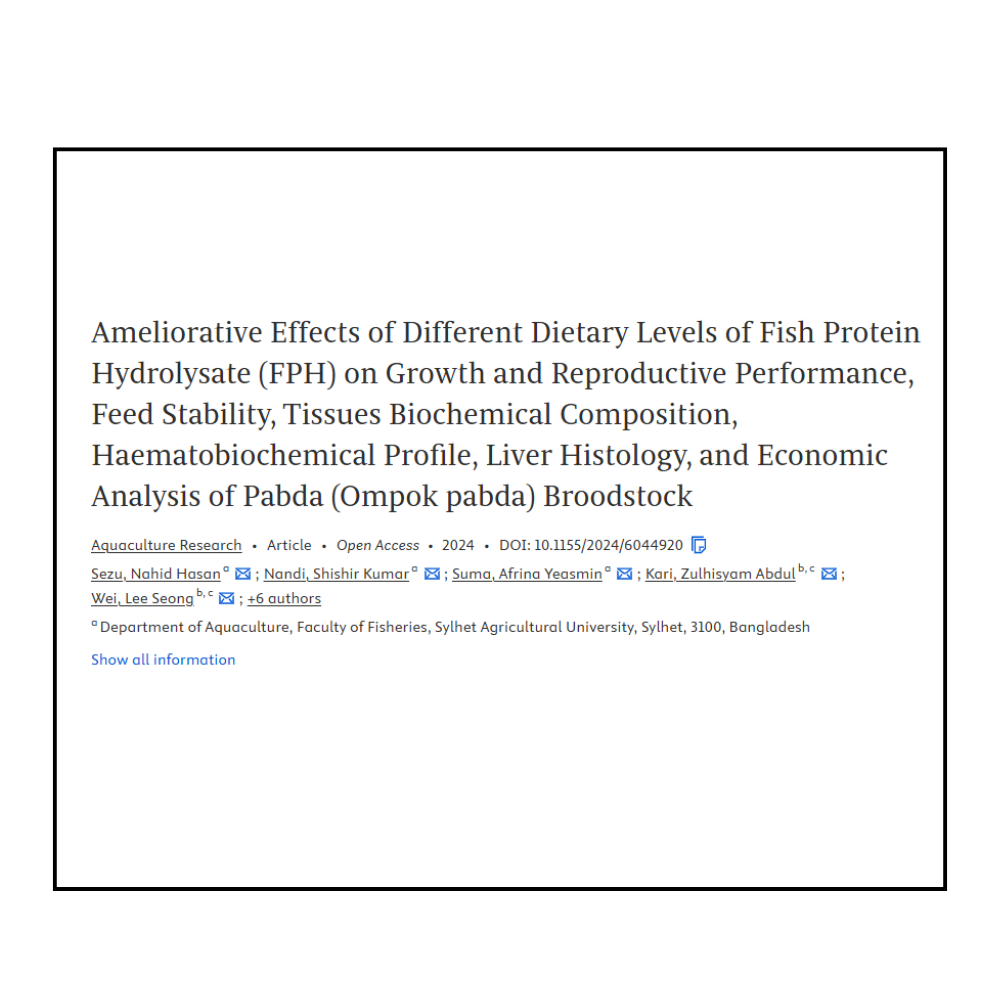
a) Preliminary study on ichthyofaunal diversity of Lata Keding, Jeli, Kelantan, Malaysia
A study at Lata Keding, Jeli (March–April 2022) recorded 128 fish from nine species across four families, dominated by Cyprinidae (91%). Ceratogarra cambodgiensis was most abundant. Results show high biodiversity and good water quality, supporting SDG 14: Life Below Water and SDG 15: Life on Land.
b) Assessment of Knowledge, Attitude, and Practice on Self-Care with Over-the-Counter Medicines among Pregnant Women in Sri Lanka
This study evaluated the knowledge, attitudes, and practices (KAP) of pregnant women in Colombo, Sri Lanka, regarding self-care with over-the-counter (OTC) medicines. Findings highlight limited awareness and cautious attitudes toward OTC medicine use during pregnancy, emphasizing the need for education and guidance to ensure maternal and fetal safety.
https://www.sciencedirect.com/science/article/pii/
S2667276624000088
c) Bat Species Diversity in the Merapoh Rich Limestone-rich Area within Lipis National Geopark, Malaysia
A study (March 2020–March 2022) recorded 32 bat species from 865 individuals across eight Merapoh caves, including four new locality records for Pahang. Gua Gunting showed the highest diversity. Findings raise the total to 38 bat species in Merapoh, emphasizing its rich karst biodiversity and supporting sustainable conservation within Lipis National Geopark (SDG 15).
d) Challenges experienced by induced lactation women in Malaysia: An exploratory qualitative study
A 2017 qualitative study involving 23 women from five Malaysian regions explored challenges during induced lactation. Six main themes emerged: health issues, work commitments, overexertion, lack of leave, difficulty following treatment, and challenges attaching adopted babies. Findings highlight the need for greater governmental and societal support, aligning with SDG 3: Good Health and Well-being and SDG 5: Gender Equality.
e) Challenges of Implementing Packaging Design in Rural Food Entrepreneurship Owned by Underprivileged Women – A Case Study
f) Determinants of household behavioral intention towards reducing, reusing and recycling food waste management
Policy Development
Universiti Malaysia Kelantan (UMK) actively engages in national and regional SDG policy development. For example, the Faculty of Earth Sciences (FSB) conducted a consultation session with the NCTF Secretariat, Ministry of Natural Resources and Environment (NRES), discussing project proposals on Rafflesia and elephant conservation. UMK contributes to identifying challenges, developing strategies, and supporting adaptive management, aligning with SDG 15: Life on Land and SDG 17: Partnerships for the Goals.

The appointment as a Consultant to the Special Select Committee on Finance and Economy, Malaysian Parliament, reflects a significant recognition of academic and professional expertise in national economic governance. The consultant is responsible for providing expert advisory input and reference materials on key issues related to finance and the economy, contributing to evidence-based policy discussions and decision-making at the parliamentary level. This appointment was endorsed by the Academic Excellence Division, Department of Higher Education, Ministry of Higher Education, based on the appointee's extensive scholarly and practical experience in finance, economics, international investment and trade, global value chains, economic development, and econometrics. This role underscores the impactful contribution of academic experts in shaping national economic strategies, strengthening institutional collaboration between universities and government bodies, and advancing Malaysia’s economic policy landscape through informed, research-driven perspectives

i) The involvement in the Preparation of the Twelfth Malaysia Plan (2021–2025)
The involvement in the Preparation of the Twelfth Malaysia Plan (2021–2025) highlights a strategic role in shaping Malaysia’s national development agenda, particularly in the area of poverty eradication and inclusive growth. This engagement focused on developing the policy framework for socio-economic upliftment within the national planning cycles, including the Eleventh Malaysia Plan (2016–2020), its Mid-Term Review (2018–2020), and specifically Chapter 8: Addressing Poverty and Building an Inclusive Society under the Twelfth Malaysia Plan. The session centred on formulating strategies to ensure social justice, enhance economic participation among vulnerable communities, and foster inclusive development. Contributions to this initiative supported evidence-based planning and policy alignment toward equitable national progress, reinforcing the importance of academic-government collaboration in advancing Malaysia’s long-term socio-economic objectives.

j) Appointment of Universiti Malaysia Kelantan (UMK) to the Regional Network on Poverty Eradication (RENPER)
The appointment of Universiti Malaysia Kelantan (UMK) to the Regional Network on Poverty Eradication (RENPER) underscores the university’s leadership role in addressing poverty at the regional level. RENPER is a collaborative platform comprising institutions from Malaysia, Indonesia, Thailand, Vietnam, the Philippines, Cambodia, India, and Bangladesh, dedicated to advancing research, knowledge exchange, and policy initiatives related to poverty alleviation. Through this appointment, UMK holds key leadership positions, serving as both President and Secretary-General of RENPER, reflecting regional recognition of its expertise and contributions in inclusive development. This strategic role enables UMK to foster international partnerships, strengthen capacity-building efforts, and drive impactful socio-economic programmes aimed at improving livelihoods across Asia. The appointment further reinforces UMK’s commitment to advancing poverty-eradication initiatives aligned with global development goals.


l) Appointment of Felo Institute Masa Hadapan Malaysia (MASA)
The purpose of his appointment as felo is to provide basic backup inputs to help the Majlis Pemulihan Negara (MPN) draft the Pelan Pemulihan Negara (PPN) 2.0 and implement WKB2030 aspirations.

m) Appointment of Member Majlis Pemulihan Negeri Kelantan
The purpose of this appointment is to assist the “Majlis Pemulihan Negeri Kelantan” in providing guidance and guidance in implementing the programs and activities to be carried out to the target groups, namely the people of the disabled (OKU) of various categories to improve their socioeconomic.

INITIATING AND PARTICIPATING IN CROSS-SECTORAL SDG DIALOGUES
a) a) International Webinar Forum for UNESCO World Heritage Volunteers 2024
Universiti Malaysia Kelantan (UMK), as a body, actively initiates and participates in cross-sectoral dialogues on the Sustainable Development Goals (SDGs). For instance, UMK organised and participated in the International Webinar Forum for UNESCO World Heritage Volunteers 2024 at Royal Belum State Park, Malaysia, which involved collaboration with government agencies, non-governmental organisations, and other stakeholders to discuss heritage conservation, environmental sustainability, and community engagement.
The Institute for Poverty Research and Management (INSPEK), Universiti Malaysia Kelantan, successfully organized InsPeK Insight Series 9: Single Mothers and Poverty – The Resilient Heroines. The program was a collaborative effort between INSPEK UMK, Universiti Sains Malaysia (USM), and the National Single Mothers Association Foundation (PITKM).
c) InsPeK INSIGHT Special Edition: Poverty in Kelantan
InsPeK INSIGHT Special Edition: Poverty in Kelantan was held in conjunction with the InsPeK International Poverty Summit (InsPeK SUMMIT 2024). The program featured distinguished panelists:
Panel 1: Dr. Ahmad Fahme bin Mohd Ali, Deputy Dean (Research, Entrepreneurship and Student Development), Faculty of Hospitality, Tourism and Wellness, Universiti Malaysia Kelantan, Kampus Kota.
Panel 2: Tuan Haji Jasri bin Kasim, Director, Federal Development Office of Kelantan, Implementation Coordination Unit (ICU), Prime Minister’s Department (JPM).
Panel 3: Mr. Megat Shah Rizal bin Noor Ikhsan, General Manager, East Coast Economic Region Development Council (ECERDC), Kelantan Regional Office.
Panel 4: YM Raja Shamri bin Raja Husin, Executive Chairman of Yayasan Raja Shamri and Founder of 3rd Force, Pasir Puteh, Kelantan.
Special Sharing Session: Dr. Tengku Fauzan binti Tengku Anuar, Senior Associate Researcher, Institute for Poverty Research and Management (InsPeK), Universiti Malaysia Kelantan (UMK).
The session explored key issues surrounding poverty in Kelantan, focusing on collaborative efforts between government agencies, academia, and community organizations to strengthen socioeconomic resilience and promote inclusive development.
d) Sulam Innovate Showcase & Symposium (SUISS 2024)
The SULAM Innovate Showcase & Symposium (SUISS 2024), organized by the Centre for Academic Excellence and Development (CAED) in collaboration with the Faculty of Hospitality, Tourism, and Wellness, Universiti Malaysia Kelantan (UMK), aims to promote best practices in service learning under the theme “Synergizing Student-Community Engagement Towards Service-Learning Best Practice.”
Held in conjunction with the International Teaching Enhancement and Learning Innovation Carnival (iTeLIC 2024) on 1–2 July 2024, SUISS 2024 highlights the significance of service learning in nurturing 21st-century learners through collaboration among educators, researchers, and practitioners.
In support of SDG 4 (Quality Education) and SDG 17 (Partnerships for the Goals), the event fosters innovation, knowledge exchange, and community empowerment. It features four competition categories, namely the Community Project, SULAM Project, SULAM Project Concept, and Community Photography Contest, showcasing diverse initiatives that reflect meaningful student and community engagement.
Overall, SUISS 2024 serves as a platform to strengthen student-community partnerships and enhance sustainable, experiential learning practices.
e) Regional Entrepreneurship, Science & Technology Summit (RESTS 2024): UMK’s New Integrated Research and Innovation Platform
Universiti Malaysia Kelantan (UMK) organized the Regional Entrepreneurship, Science & Technology Summit (RESTS 2024) to bring together leaders, researchers, industry experts, and entrepreneurs to exchange ideas, share best practices, and address challenges in innovation and national development.
Led by Prof. Dr. Julie Juliewatty Mohamed, Director of the Research and Innovation Management Centre (RMIC), the summit combined five major programmes — Elsevier East Coast Symposium, Research and Innovation Carnival (CRI 2024), Veterinary International Conference (VAIC 2024), Global Conference on Waqf Technology and Business Economics (G-CWTBE), and the National STEM Carnival 2024.
With the theme “Innovating Tomorrow: Education at the Intersection of Entrepreneurship, Science, and Technology,” RESTS 2024 supported SDG 4 (Quality Education), SDG 8 (Decent Work and Economic Growth), and SDG 9 (Industry, Innovation and Infrastructure). The five-day event featured innovation competitions, exhibitions, consultations, talk sessions, and the CRI 2024 Closing and Award Ceremony.
PARTICIPATION IN INTERNATIONAL SDG DATA GATHERING AND MEASUREMENT
Universiti Malaysia Kelantan (UMK) participates in international collaborations to gather and measure data relevant to the SDGs. Notable activities include:


MoU signing with Perguruan Tinggi Muhammadiyah/Aisyiyah, Indonesia on 6 August 2024 in Semarang, witnessed by 56 university leaders, strengthens international educational collaboration and knowledge exchange, contributing to SDG 4: Quality Education and SDG 17: Partnerships for the Goals.

Collaboration with STESIA Surabaya, Indonesia – a credit mobility programme in June 2024 involving UMKCEE and FKP, facilitating international research cooperation and experiential learning, aligned with SDG 4: Quality Education and SDG 17: Partnerships for the Goals.
DEVELOPING INTERNATIONAL BEST PRACTICES FOR SDG IMPLEMENTATION THROUGH COLLABORATION


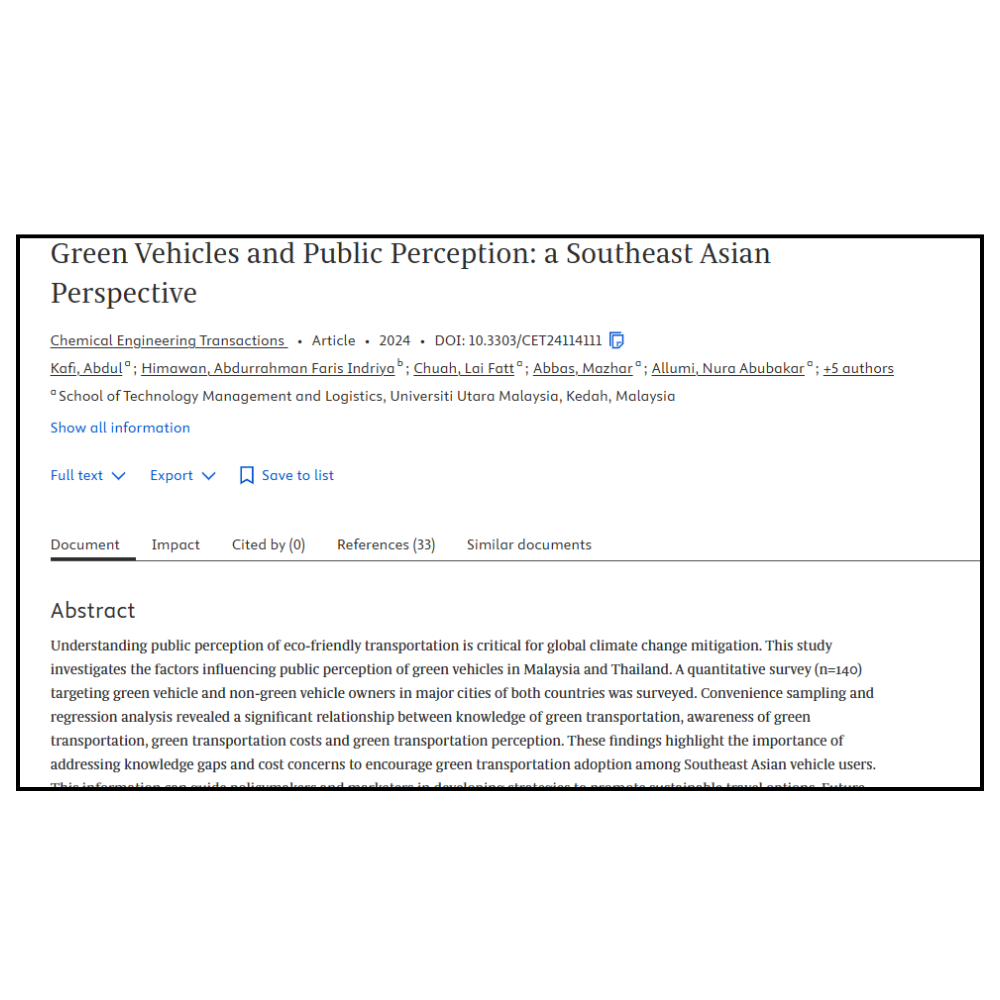


Universiti Malaysia Kelantan (UMK) actively participates in international collaboration and research to review comparative approaches and develop best practices in tackling the SDGs. UMK has established MoUs and MoAs with international universities and institutions in countries including Korea, Jordan, India, Singapore, and Oman. These agreements aim to enhance academic and cultural cooperation, facilitate student and staff mobility, promote joint research, and implement programmes aligned with sustainable development objectives. Through these partnerships, UMK contributes to global knowledge exchange and collaborative solutions addressing SDGs such as Quality Education (SDG 4), Partnerships for the Goals (SDG 17), Clean Water and Sanitation (SDG 6), Affordable and Clean Energy (SDG 7), Industry, Innovation and Infrastructure (SDG 9), Responsible Consumption and Production (SDG 12), Climate Action (SDG 13), Zero Hunger (SDG 2), Good Health and Well-Being (SDG 3), Gender Equality (SDG 5), and Decent Work and Economic Growth (SDG 8).
COLLABORATION WITH NGOS TO ADVANCE THE SDGS

The YaPEIM – Maybank Islamic Community Inspirasipreneur Ayam Kampung Kacuk Program is a collaborative initiative with Universiti Malaysia Kelantan (UMK) to establish a Kampung Kacuk Poultry Industry Complex at the Rehabilitation Centre in Kg Aur Telong, Kelantan. This project aims to empower the disabled (OKU) community and their families by providing poultry farming and entrepreneurship skills to enhance their socioeconomic well-being and create sustainable income opportunities. A total of 100 participants are involved, supported through the construction of 70 chicken coops, expansion of production capacity to 35,000 chickens per cycle, and development of a processing centre and feed factory with a weekly production capacity of five tonnes. Each participant is expected to earn approximately RM1,750 per production cycle. This programme not only supports financial independence for the OKU community but also contributes to developing a poultry farming ecosystem in Kelantan, benefiting local farmers through feed supply and integrated industry support.

The YaPEIM – Maybank Islamic Community Inspirasipreneur Soft Fish Enterprise Project aims to strengthen and expand the soft fish processing social enterprise established in 2019 at the Tok Bali Fishermen Resettlement, Kelantan. The initiative, which began with 11 fisherwomen participants, has successfully increased household income through value-added seafood processing. This project seeks to scale up production and marketing capabilities to enhance economic sustainability for the community. Key objectives include obtaining Halal certification for the processing facilities, establishing a downstream spin-off company, strengthening product branding, and empowering participants through improved marketing and sales strategies. The project also aims to position soft fish products as a tourism highlight in Tok Bali by opening dedicated outlets and food business premises. Expected outcomes include producing at least 10 sales agents among participants and unemployed graduates, developing soft fish as a signature local product, and establishing two business locations, including one strategically-located outlet.

c) Grey Oyster Mushroom Empowerment Program for the Orang Asli Community in Sungai Rual, Jeli, Kelantan
The Grey Oyster Mushroom Empowerment Program for the Orang Asli Community in Sungai Rual, Jeli, Kelantan began in November 2020 with five Orang Asli youths determined to improve their economic well-being. Phase 1 successfully involved caring for mature mushroom blocks, harvesting, and selling fresh mushrooms. Building on this success, Phase 2 focuses on producing mushroom blocks independently to ensure project sustainability and expand income opportunities. This phase includes knowledge transfer in mushroom block production, constructing a mushroom workshop, acquiring specialised machinery, and developing downstream products. The initiative also promotes compost production from used blocks and equips participants with basic entrepreneurship skills while positioning Sungai Rual as a hub for high-quality oyster mushrooms.
COMMITMENT TO MEANINGFUL SDG EDUCATION FOR ALL STUDENTS


DEDICATED COURSES ON SUSTAINABILITY AND THE SDGS
Universiti Malaysia Kelantan (UMK) demonstrates its firm commitment to sustainability and the United Nations Sustainable Development Goals (SDGs) through the integration of these principles across its academic programs and curriculum. The university offers a comprehensive range of full degree programs and elective courses that address environmental sustainability, social responsibility, and economic development through its various faculties.
Key contributors include:
-
Faculty of Creative Technology and Heritage (FTKW): Focused on preserving cultural heritage while leveraging modern technology to advance sustainable creative and cultural industries.
-
Faculty of Earth Sciences (FSE): Dedicated to education and research in environmental sciences, biodiversity conservation, and sustainable natural resource management.
-
Faculty of Agro-Based Industry (FSB): Specializing in agricultural sciences, agro-industrial development, and food security to support sustainable agriculture and rural development.
-
Faculty of Veterinary Medicine (FPV): Promoting sustainable animal health, welfare, and food production systems.
-
Faculty of Industrial Sciences and Technology (FIAT): Integrating fundamental sciences with industrial innovation to drive the development of sustainable technologies and processes.
-
Faculty of Bioengineering and Technology (FBKT): Advancing innovative bioengineering solutions that enhance sustainability in agricultural, environmental, and industrial sectors.
Through these academic initiatives, UMK ensures that sustainability and SDG-aligned concepts are embedded across teaching, research, and community engagement activities. The university’s Bachok and Jeli campuses play a pivotal role in this effort, offering a growing portfolio of sustainability-related courses.
From 2022 to 2024, UMK offered an average of 667 sustainability-related courses across these campuses, underscoring the university’s strong commitment to environmental stewardship, sustainable education, and the production of graduates equipped to address global sustainability challenges.
DEDICATED SDG EDUCATIONAL OUTREACH FOR THE WIDER COMMUNITY

‘Nutrisi Sihat, Si Cilik Hebat’
Universiti Malaysia Kelantan (UMK) has dedicated outreach educational activities for the wider community. On 5 December 2024, UMK conducted a community engagement programme with pupils of Sekolah Kebangsaan Lubok Bongor, Jeli, through the ‘Nutrisi Sihat, Si Cilik Hebat’ initiative under the Service Learning Malaysia – University for Society (SULAM) programme. The programme was led by academic staff and students from the Faculty of Agro-Based Industry, focusing on school nutrition policy and healthy eating awareness. Through interactive learning modules, participants enhanced their knowledge and skills related to healthy dietary habits, the Malaysian Food Pyramid 2020, the Healthy Plate Concept, and school food environment policies aimed at addressing childhood obesity and malnutrition."

Geoscience@School 2024
MEASUREMENT OF STUDENT SUSTAINABILITY LITERACY
Universiti Malaysia Kelantan (UMK) measures the sustainability literacy of its students. UMK adopts the Outcome-Based Education (OBE) framework to assess students’ knowledge, competencies, and awareness related to sustainability across relevant courses and programmes. Through learning outcomes, assessments, and continuous quality assurance processes, UMK ensures that students develop essential sustainability values, skills, and understanding aligned with national and global sustainability goals.